Black History Month
The February observance did not begin as a celebration. It began as a correction — a scholar's answer to an academic establishment that had written African Americans out of human history.
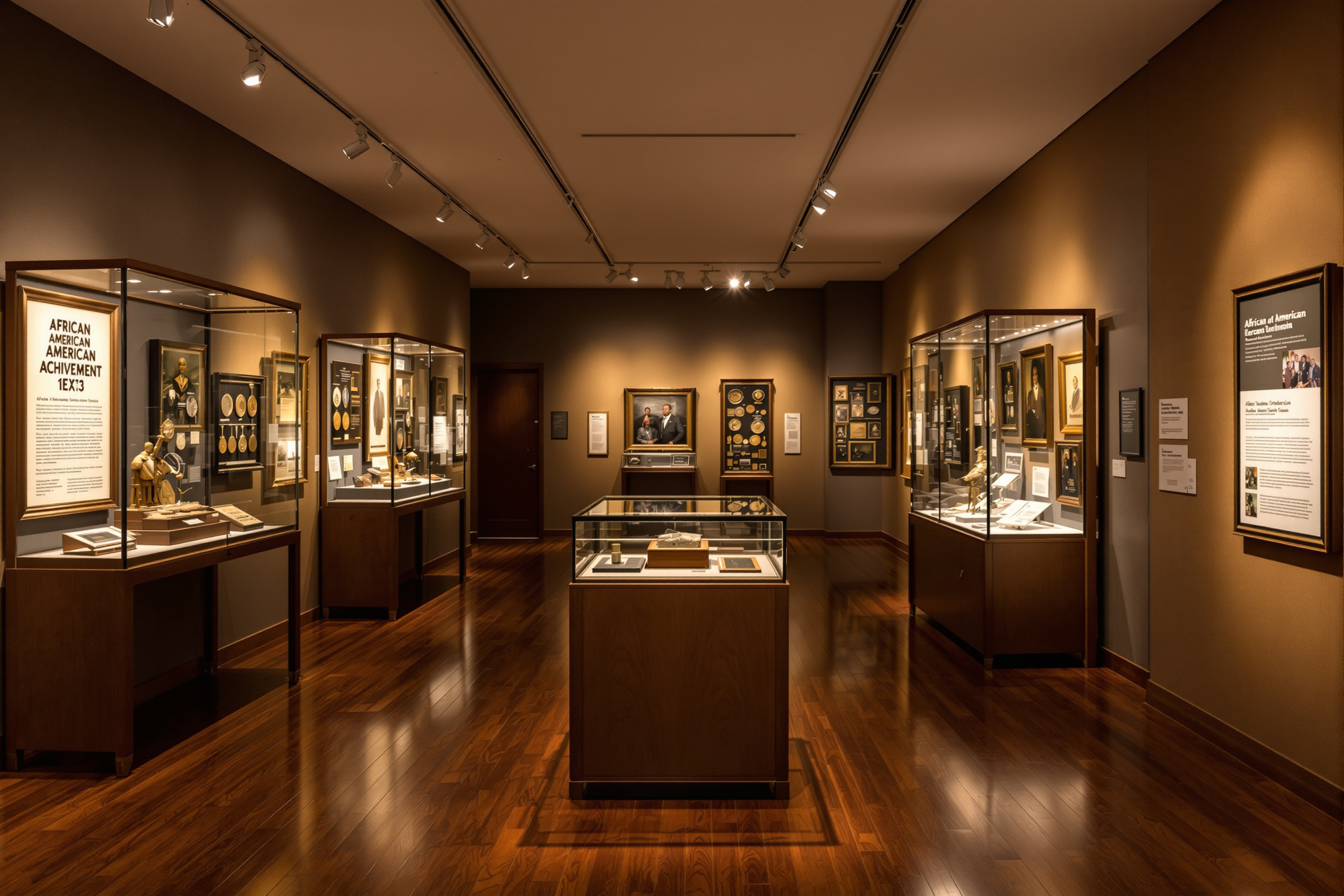
The Climate Before 1926
To appreciate Black History Month, it helps to recall the social and academic climate that prevailed in North America before 1926. For generations, mainstream scholarship classified people of African descent as having made no contribution to civilization — an assumption used to justify slavery, segregation, and worse. Prominent academics taught it openly; popular textbooks repeated it; and the achievements of Black inventors, soldiers, writers, and statesmen went unrecorded in the schoolbooks American children studied.
Carter G. Woodson and Negro History Week
Against that climate stood Dr. Carter Godwin Woodson, the son of formerly enslaved parents who worked in West Virginia coal mines before earning a Ph.D. in history from Harvard — only the second African American to do so. Convinced that the distortion of Black history was a root cause of racial prejudice, Woodson left mainstream academia to devote his life to the scientific study of the African experience in America, Africa, and throughout the world. In 1915 he co-founded the Association for the Study of Negro Life and History — today the Association for the Study of African American Life and History (ASALH) — and in 1926 launched Negro History Week.
Woodson chose the second week of February deliberately: it embraced the birthdays of Frederick Douglass and Abraham Lincoln, dates Black communities already celebrated. Meetings, exhibitions, lectures, and symposia were organized to bring scholarly balance to American and world history, and the week quickly took root in schools, churches, and community institutions.
From a Week to a Month
Over the following decades the observance grew, carried by teachers and community organizations. By the 1960s many campuses were observing a full month, and in 1976 — the nation's bicentennial — Black History Month received its first official presidential recognition. February remains significant in African American history for the birthdays of Frederick Douglass and W.E.B. Du Bois, the founding of the NAACP in February 1909, and the seating of Hiram Revels, the first African American U.S. senator, in February 1870.
More Than a Celebration
Scholars have long cautioned that the month must be more than a parade of famous firsts. The deeper purpose, in the tradition Woodson founded, is to examine the collective ingenuity, creativity, and political experience of African-descended peoples — and to challenge each generation to carry that scholarship forward. A month that ends with a bulletin board has missed the point; a month that starts a year of reading has honored it.
That is also the practical argument for pairing the observance with substantial reference material. The five-volume Reference Library of Black America — widely considered among the finest sets of Black history reference books available — gives students nearly 500 years of history, primary documents, and hundreds of biographical essays to draw on long after February ends. The Smithsonian's National Museum of African American History and Culture offers free digital exhibits and educator resources that pair well with any printed collection.
Keeping the Work Year-Round
Black History Month works best as a doorway, not a container. Teachers can use February to launch biography projects, document-based questions, and community-history units that continue through spring — frameworks we outline in our multicultural lesson plans guide. And the larger principle, explored in What Is Cultural Diversity?, applies to every heritage observance on the calendar: the month is the invitation; the curriculum is the answer.